
Latest news and updates
Agricultural coexistence at Abercrombie Wind Farm
August 2026
At the heart of the Abercrombie Wind Farm project is a commitment to protecting highly productive agricultural land while delivering affordable energy. Modern wind farms are uniquely suited to coexist with farming activities, as wind turbines themselves occupy only a small footprint of the land they sit on. This enables landowners to continue day-to-day operations such as grazing and cropping with minimal disruption.
A practical and beneficial integration
Vestas design philosophy recognises that agricultural land is both economically and environmentally valuable. The layout of turbines, access tracks, and cabling is carefully planned in collaboration with landowners to integrate seamlessly with existing farming operations.
This approach ensures:
Continued access to paddocks for machinery and livestock
Preservation of key farming infrastructure
Minimal disruption to drainage patterns and soil conditions
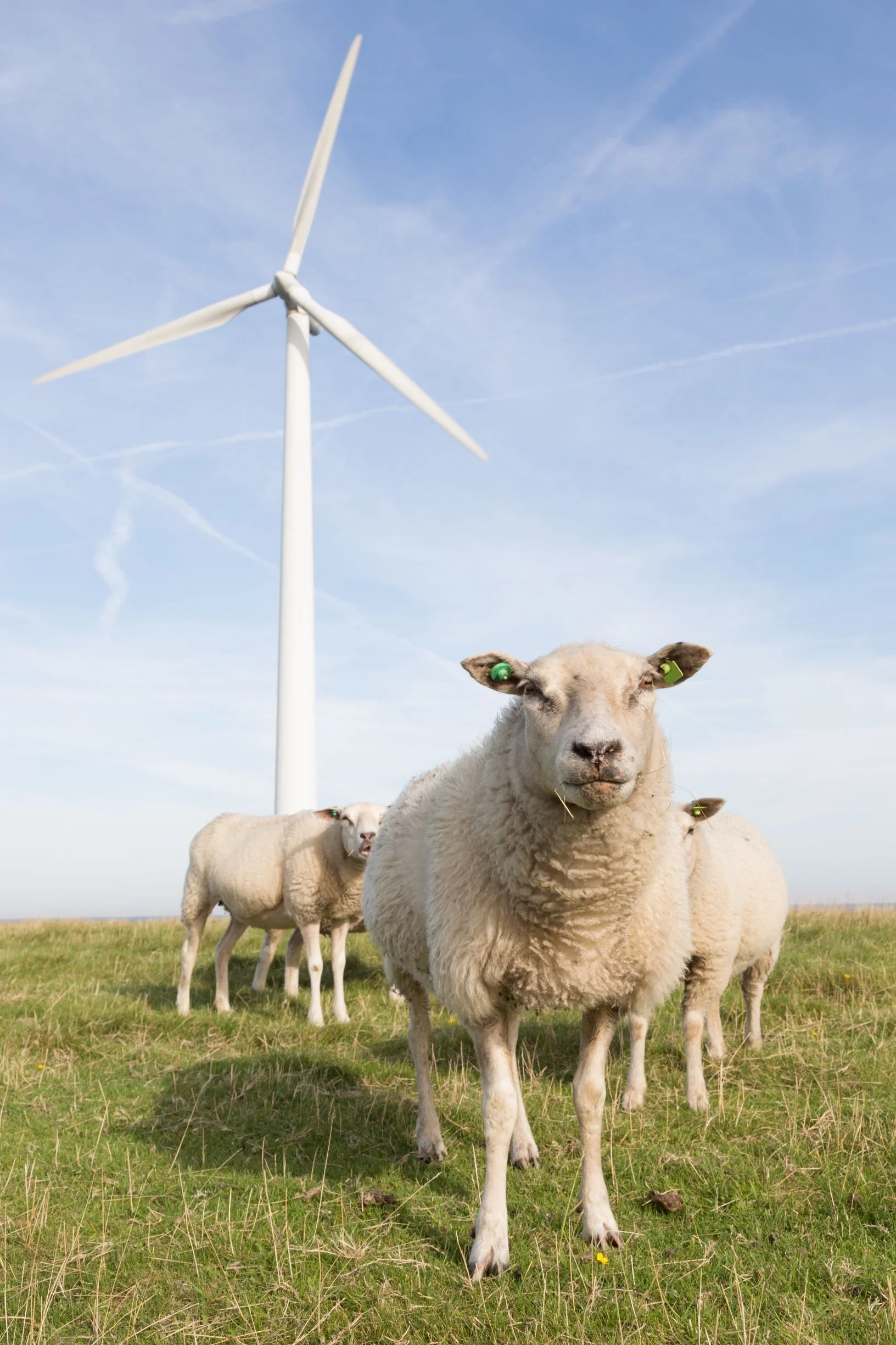
At Abercrombie, careful planning ensures that prime cropping areas are identified as “no-go” zones. This means turbines and major infrastructure are deliberately excluded from the most productive agricultural land. Instead, turbines are located within grazing areas, allowing agricultural production to continue alongside energy generation.
Wind farms are also highly compatible with livestock farming, as cattle can safely graze around turbine infrastructure with little interruption. In fact, livestock often benefit from turbine towers, which provide shade and shelter from wind and rain.
Supporting long-term farm viability
In addition to ongoing agricultural production, landowners hosting turbines receive lease payments over the life of the project. This provides a stable and diversified income stream, helping to improve financial resilience during periods of lower agricultural yields, seasonal downturns or drought.
Responsible land stewardship
Protecting soil and water resources is a key design principle, with measures in place to prevent contamination and manage erosion risks during construction. We work closely with host landowners to embed farm management practices into project agreements, including pest, weed, and feral animal control, as well as biosecurity protocols that safeguard ongoing farming activities.
These practices help ensure that the land remains productive and sustainable for future agricultural use.
Strengthening the local community
Abercrombie Wind Farm's benefits extend well beyond the farm gate. By design, the project is structured to keep agricultural land productive while channelling meaningful economic activity back into the local community.
Because grazing and cropping continue largely uninterrupted throughout the project's operating life, the surrounding region retains its agricultural output and character.
A balanced and sustainable approach
Abercrombie Wind Farm demonstrates how energy generation and agriculture can successfully coexist. By prioritising the protection of productive land, working closely with landowners, and embedding responsible land management practices, the project supports reliable, affordable energy supply alongside ongoing agricultural productivity.
Together, these impacts mean Abercrombie Wind Farm is designed not just to coexist with agriculture, but to actively support the economic and social fabric of the community that hosts it.